
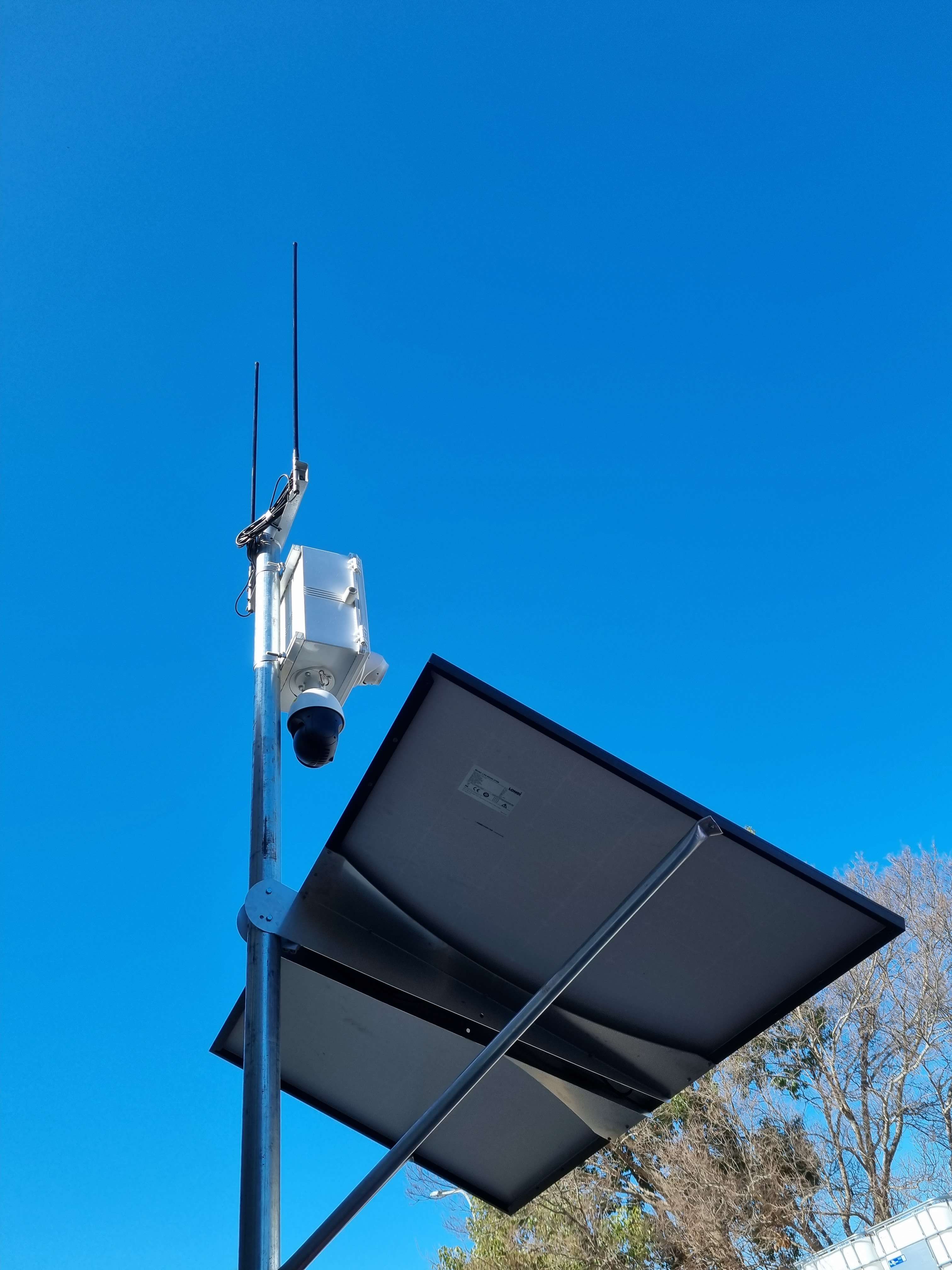
Your site on day one won't look like your site in month four. The gate moves, the laydown yard shifts to the other boundary, and the slab you were watching turns into three storeys of framing. So, can you move a site security camera mid project? You can, and on a staged build you usually should.
Here's how relocation works for towers and trailers, what each move costs, and how to scale coverage as the program runs.
Can you move a site security camera mid project? Yes. A trailer tows to its new position, and a tower is shifted by forklift, plant or truck. Each move costs tow or plant time plus re-setup, and the camera is offline until it's reconnected, so move units while the crew is on site.
Yes. Siteguard's towers and trailers run on solar power, with no mains connection or trenching tying them to one spot. That matters, because the risk zones on a build shift with the program. Early works, a slab pour, then frames going up. The gate that mattered in week two isn't always the one a thief picks in week twenty.
As floors go up, a ground-level camera loses sight of the upper decks. A second gate opens for deliveries and sits unwatched over a long weekend. A camera that hasn't moved since mobilisation is often watching the wrong thing.
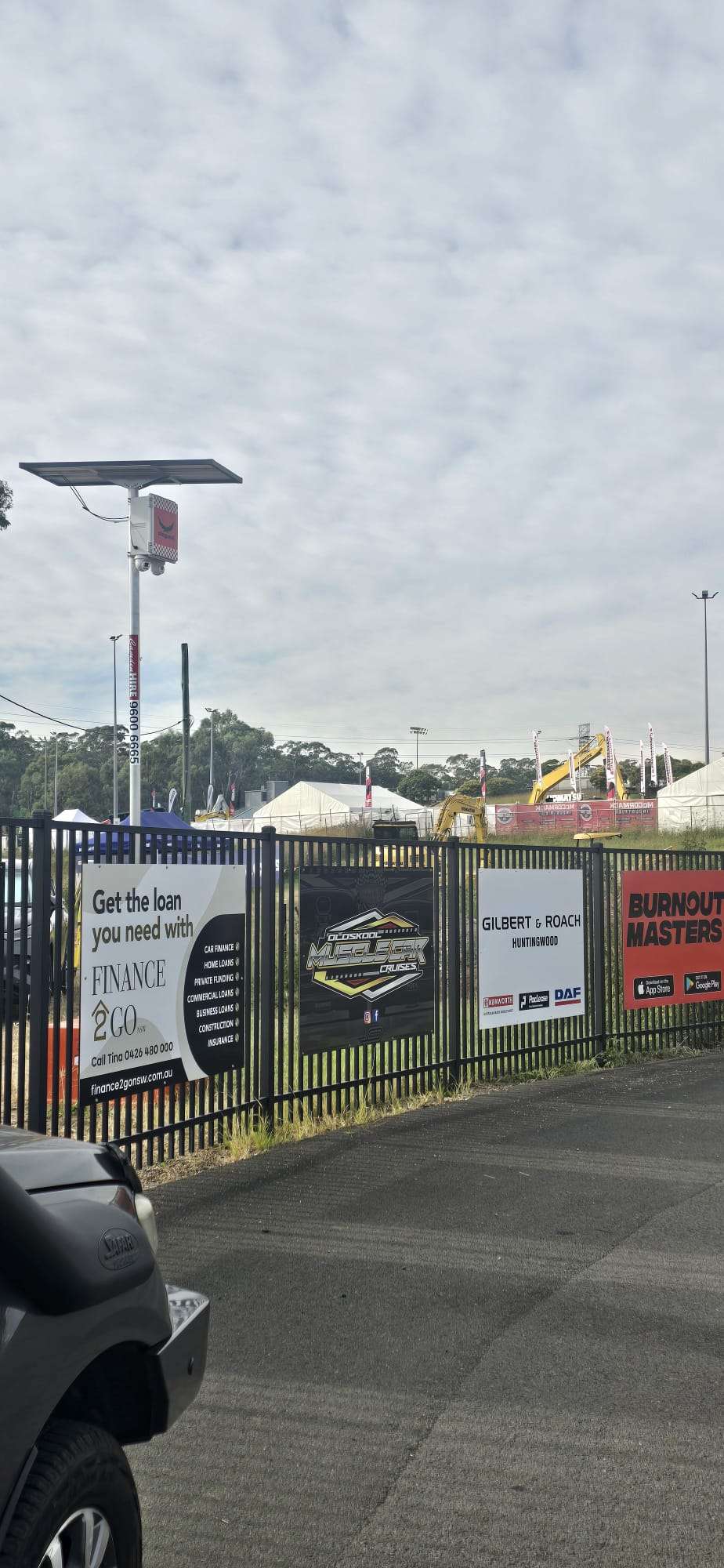
The two formats move differently, and that should shape where each one goes.
A solar camera tower is set down, not towed. Moving it takes a forklift, other plant or a truck. With a forklift already on site, that's a short job. The Siteguard Starlink Tower is built for it, with a forklift and lifting hook for transport and installation.
A trailer hitches up, tows to the new spot and raises the mast. Siteguard surveillance trailers are road-certified and self-contained, with GPS to keep track of units spread across jobs. A move to the next town needs a rated tow vehicle, not a truck booking.
"We run 6 construction teams and we can easily relocate the system between teams as required, without the need for specialist staff to pack up transport and set up." Michael, Construction Manager, Tamworth Regional Council
Still choosing a format? Read CCTV tower vs CCTV trailer.
Running a staged build?
See the setup Siteguard recommends for construction sites: Twin Cam towers, live monitoring and progress tools that keep up as the job changes.
Siteguard for constructionSiteguard doesn't publish relocation rates, because every move depends on the site. The cost drivers differ by format and distance.
| Move | What it takes | What drives the cost |
|---|---|---|
| Tower, within the site | Forklift or plant already on site | Plant time and re-setup |
| Tower, to a new site | Truck, plus plant to place it | Delivery distance, plant hire if none is on site, setup |
| Trailer, within the site | Hitch up, tow, raise the mast | Tow time and re-setup |
| Trailer, to a new site | A tow vehicle rated for the loaded trailer | Tow time, distance and setup |
Downtime is the part people forget. The unit stops recording from pack-down until it's connected again. Keep that window out of the risk hours: move units while the crew is on site, and never move the gate camera on a Friday afternoon.
The job isn't done when the mast goes up. Someone has to redraw the detection zones, set armed hours and confirm the call list. If 4G drops out at the new spot, Starlink camera systems keep live view and alerts working.
Ask how many relocations your hire includes and what each extra move costs. Our guide to site security camera hire costs breaks down each line.
Need towers that shift with the stages?
Compare Siteguard's Single Cam, Twin Cam, Pan & Zoom 360° and Custom towers, available to hire or purchase and backed by a 24/7 control room.
See the tower range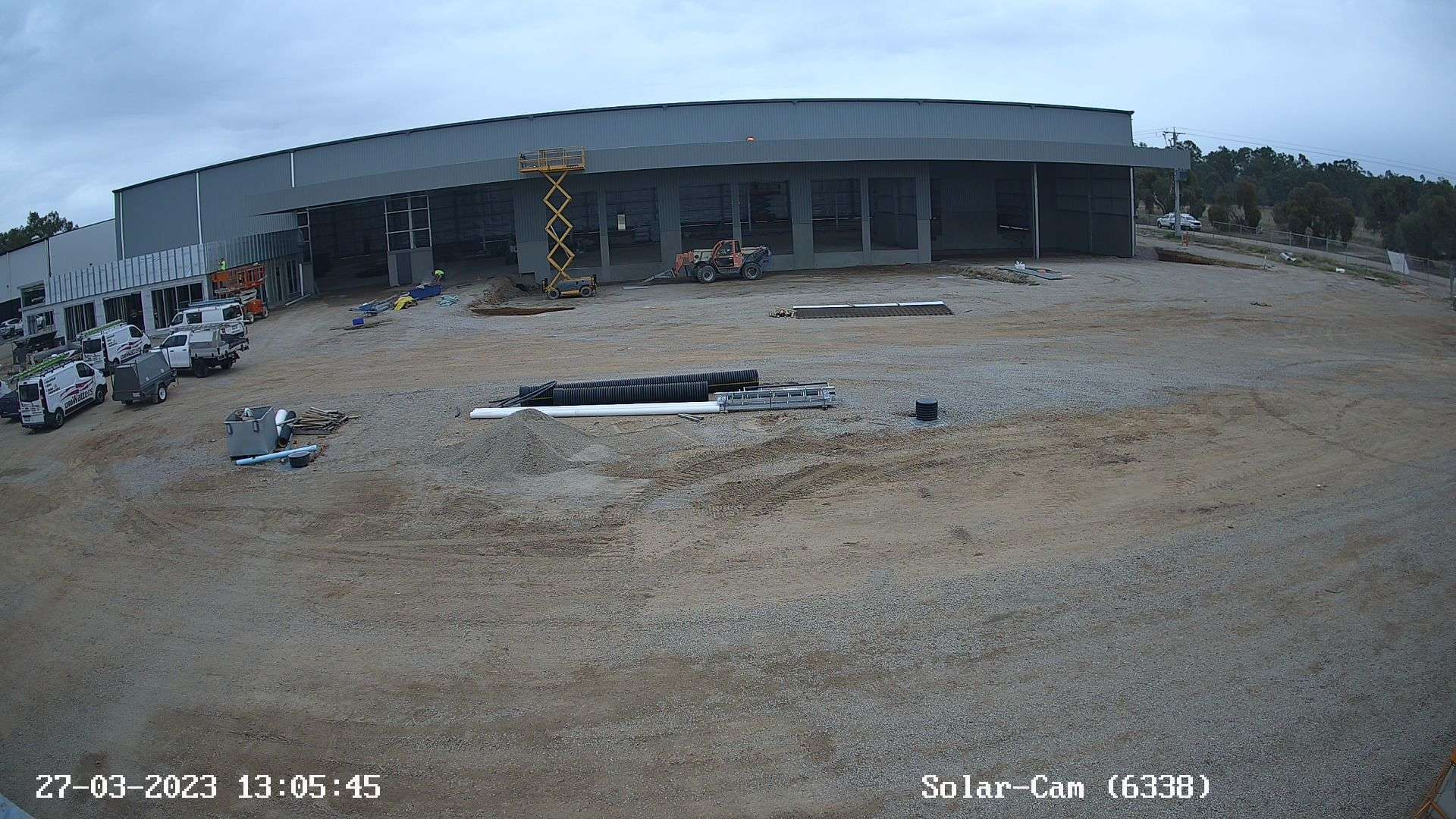
Plan the moves with the program, not the morning after a break-in. Map each stage and your site security camera hire quote can price real moves instead of guesses.
For starting counts, see how many security cameras a construction site needs.
A new stage, delivery gate or plant yard means adding positions. Match the unit to the zone: a Single Cam with a 95° field of view for one gate, a Twin Cam with 180° coverage for a laydown yard, or a Custom tower that mixes cameras on one mast.
Siteguard Foreman keeps every camera in one browser dashboard. Control room monitoring covers the new positions too, with live alarm verification and escalation to authorities.
Yes. Solar camera towers and trailers run without mains power or trenching, so they can shift as the site changes. Towers move with a forklift, other plant or a truck, and trailers hitch up and tow to the next position.
It depends on the format and the distance. A trailer move costs tow time, while a tower move needs plant: cheap if it's already on site, dearer if it has to come in. Ask how many moves your hire includes and what each extra one costs.
The unit being moved stops recording until it's set up and connected again. Move it during working hours while the crew is on site, and keep other cameras on the gates and laydown.
Yes. Add a position when a new stage, gate or plant yard opens, and match the unit to the zone. With Siteguard, every camera sits in the one Siteguard Foreman dashboard.
A tower is lifted rather than towed, so you need a forklift, other plant or a truck. Siteguard's Starlink Tower has a forklift and lifting hook for transport and installation.