

The site shed or shipping container holds the most portable value on most jobs: power tools, cable, fittings, fuel and the gear tradies don't want to cart home every night. Thieves know it. Good site shed break in prevention isn't one big padlock. It's a shed that's slow to open, a door nobody can reach unseen, and a response that starts the moment someone tries.
This guide covers why sheds and containers get targeted, the physical hardening that buys you time, and how camera coverage and alerts on the shed door turn that time into a result.
Site shed break in prevention works in three layers. Harden the shed so it takes time and noise to open, point a camera squarely at the door, and set alerts so someone responds while the thief is still on site. Locks slow people down, footage identifies them, and a live audio warning or siren is what makes them leave.
One trip, many payoffs. A container at the back of a site is a single locked box of resaleable gear: power tools, electrical cable, copper and fittings. It sits in the same spot every night, and a site with no visible security is the easy pick.
Sheds also suit the way thieves work. Sites empty out at knock-off and stay empty over weekends and shutdowns. Trades come and go with keys and codes, and the container usually gets parked out of the way, often out of sight of the street. That same spot hides anyone working on the door.
Most break-ins go through the door, not around it. The methods are quick and cheap: bolt cutters on an exposed padlock shackle, a bar levered under the hasp, an angle grinder through the lock, or a key still floating around from a former subcontractor. Transportable site sheds add lighter doors, window frames and exposed hinge pins.
That pattern is useful. If the attack happens at one spot, that spot gets your strongest lock, your best light and your camera. A thief facing several noisy minutes at a lit, filmed door with a siren above it has a decision to make.
Securing a build site after hours?
See how Siteguard sets up towers, alerts and monitoring for construction sites with tools, fuel and machinery left overnight.
Siteguard for constructionLocks rarely stop a determined thief on their own. What they do is buy time and force noise, which is exactly what cameras and alerts need. Harden the door first.
For smaller high-value items, Siteguard's Shark Cage is a lockable, vandal-resistant steel casing built into the tower, so tools sit inside the same unit that's watching the site.
Walk your site at dusk from the street and from the back fence. If you can reach the shed door without passing a light or a camera, so can a thief.
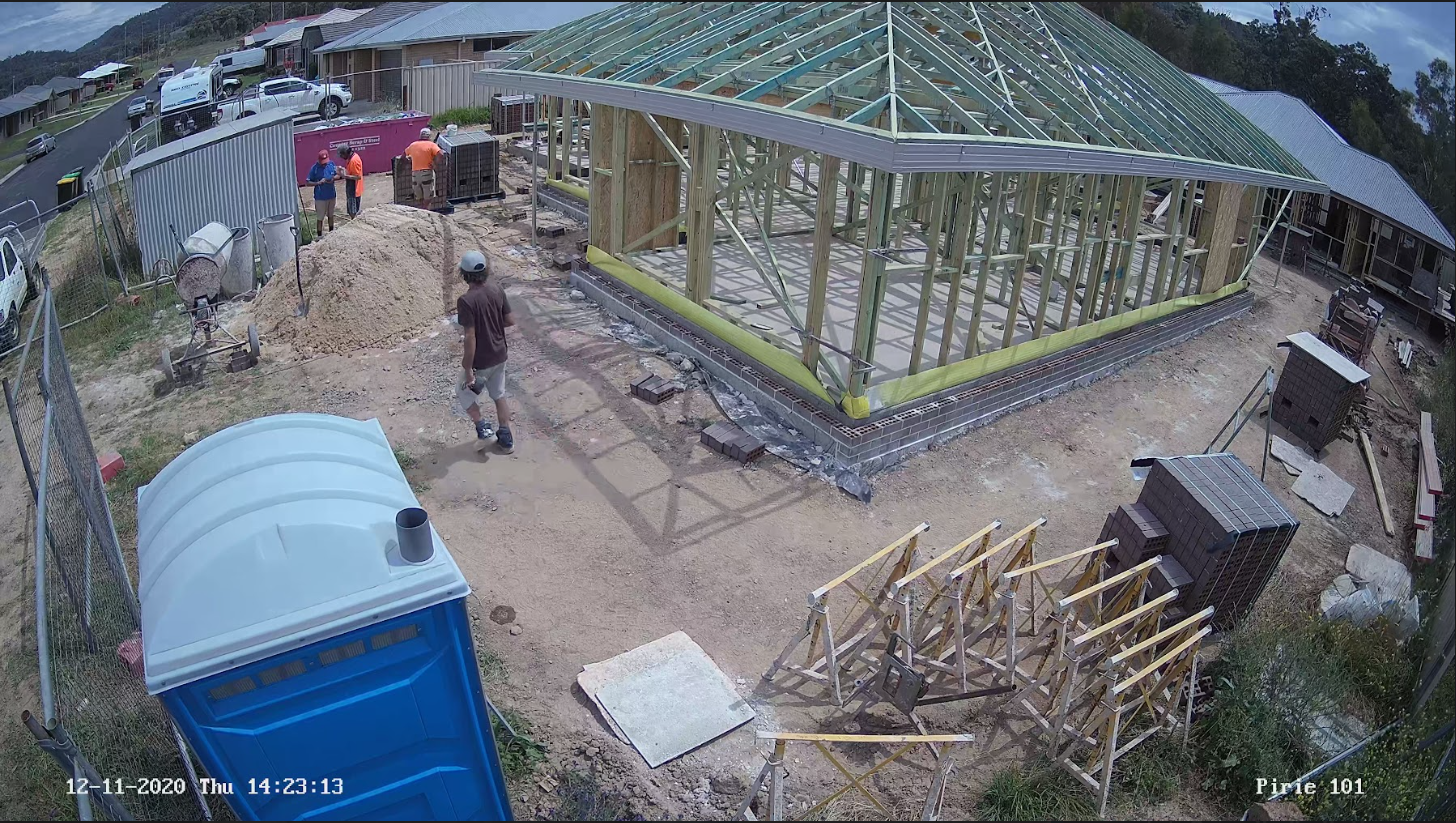
General site cameras watch the boundary. A shed needs its own clear view of the door, close enough to see the lock and a face. Detecting movement isn't enough here. At a shed door you need to identify people.
| Siteguard unit | What it brings to a shed | Best for |
|---|---|---|
| Single Cam | 4K 8MP, 95° field of view, intruder alerts, siren and audio | One shed or container door at close range |
| Twin Cam | 180° field of view, smart alerts, siren and strobe, battery backup | A shed plus its approach path or compound gate |
| Pan & Zoom 360° Cam | 360° PTZ, up to 1km zoom, low-light, remote control | Large sites with several storage points |
| Ghost Cams | Low-light and thermal imaging, covert housing, instant motion alerts | Dark corners and after-hours approaches |
Frame the door, the lock and the ground in front of it, mounted out of reach. If the shed sits near a fence, add a second angle on the approach, where the vehicle waits. Siteguard's site security camera hire range puts these cameras on solar towers, so you can place coverage beside a shed with no mains power or trenching.
Want someone watching the shed door at 2am?
Siteguard's Australian-based control room verifies every alarm and can issue audio warnings while the intruder is still on site.
How monitoring worksRecording on its own tells you what happened when you open up on Monday. By then the gear is gone. The value sits in the first minute, while the thief is still working on the lock.
Siteguard towers send real-time intrusion alerts the moment someone enters your site after hours, and carry sirens, strobes and audio warnings. Add 24/7 control room monitoring and an Australian-based team verifies every alarm before acting, issues audio warnings and siren activation, and escalates to the relevant authorities when required. A live voice telling someone they're on camera lands very differently from a recording nobody watches until morning.
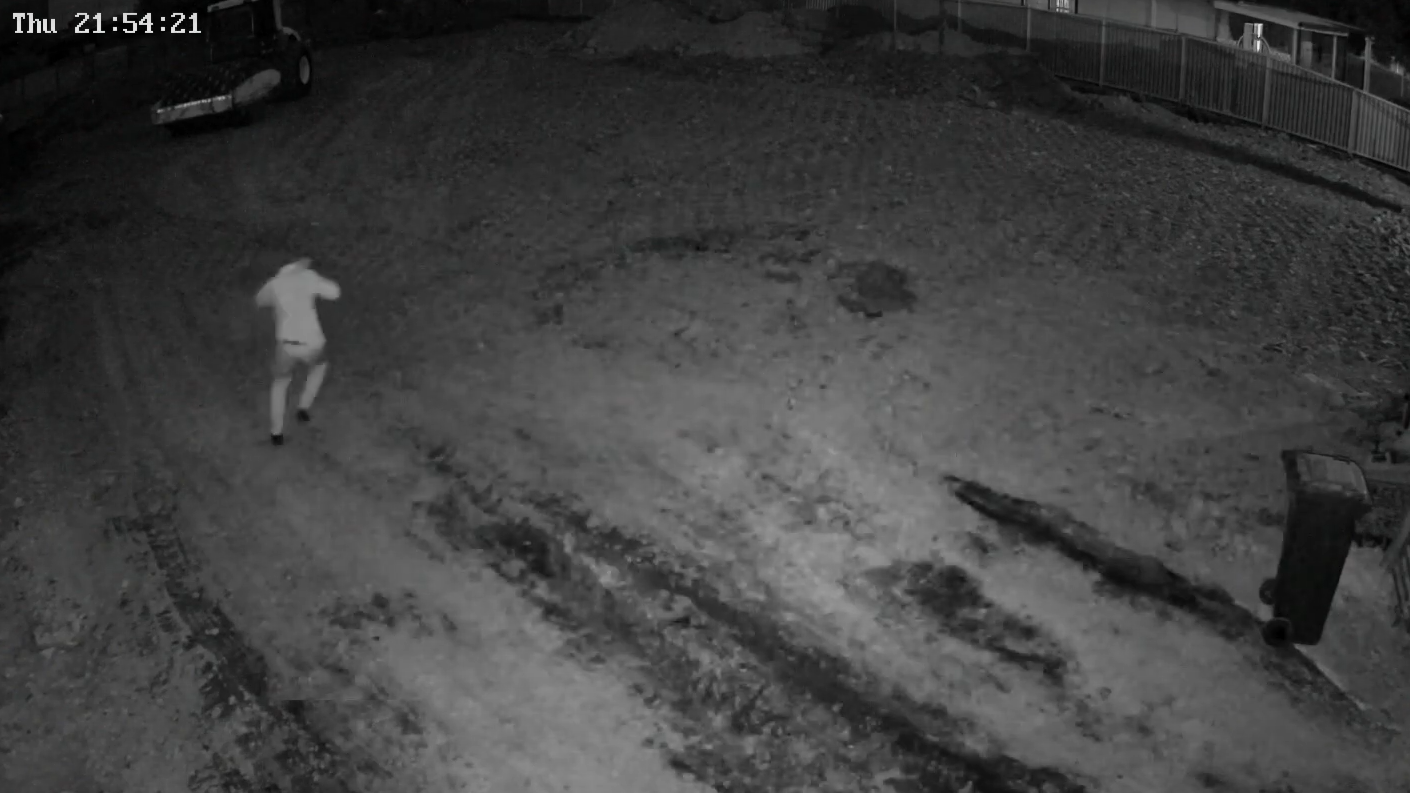
You keep control too. Siteguard Foreman lets you manage detection zones, review recordings and see alerts across every site from one browser-based dashboard, so the shed door can be its own zone rather than one more patch of perimeter.
"Last Christmas we had 21 break-ins into our construction site. We installed a Siteguard system on site and this Christmas we only had 1 attempted break-in. It has even saved us the cost of paying for security guards." Kevin, Senior PM, Hines Constructions Pty Ltd
The last layer makes stolen gear hard to sell and easy to get back. Victoria Police recommend engraving tools with a unique mark such as your driver's licence number, and keeping a photo, model and serial number for each item.
On signage and audio warnings, surveillance rules vary between states and territories, and audio recording is treated more strictly than video in several of them. Check the rules for the state your site is in before you set up.
Layer it. Fit a steel lock box with a shrouded padlock, control who holds keys and codes, and chain high-value gear inside. Then put a camera on the door with intrusion alerts and a siren or audio warning, so a break-in attempt gets a response while it's happening.
A shrouded or closed shackle padlock inside a welded lock box is the usual choice, because it leaves bolt cutters almost nothing to grip. No lock is thief-proof, so treat it as a way to buy time for your cameras and alerts to work.
Visible cameras deter many attempts, but recording alone only shows you what happened. Cameras stop break-ins when they're paired with real-time alerts, sirens or audio warnings, and someone who responds, such as a monitored control room.
Point it straight at the door so the lock, the doorway and the ground in front are all in frame, and mount it high enough to be out of reach. If the shed backs onto a fence or laneway, add a second view of the approach.
Signage saying the site is monitored is common practice and adds to the deterrent. Surveillance and audio recording rules vary between states and territories, so check the requirements for the state your site is in.